Global sourcing has become more than simply about locating the lowest price or fastest provider. Buyers today face a variety of complicated challenges, such as disruptions to supply chains and quality issues. They also have to be able to adapt to rapidly changing market conditions. In this setting the need for a reliable B2B online marketplace is less of a convenience and more of a necessity for doing business confidently across the borders.
Modern B2B platforms are built to solve real-world problems. It doesn’t provide buyers with a plethora of listings rather, it connects genuine buyers to reliable, long-term cooperating suppliers. This shift from quantity to quality has profoundly altered the way international trade relationships are developed and maintained.
Moving beyond simple supplier listings
The traditional method of sourcing relies on cold outreach, incomplete details and a lot of the guesswork. The buyers were required to spend several weeks validating, comparing the various suppliers, and then evaluating them. A well-structured B2B online marketplace removes much of this friction by offering pre-verified supplier profiles, transparent product details, and access to historical performance indicators.
Context is what adds real value. Market intelligence analysis of trends in the industry and expert insights can help buyers understand not only what to buy but also when, and why. These insights enable businesses to anticipate price changes, demand fluctuations and new opportunities, instead of reacting later.
The Benefits of an Online-to-Offline Sourcing Model
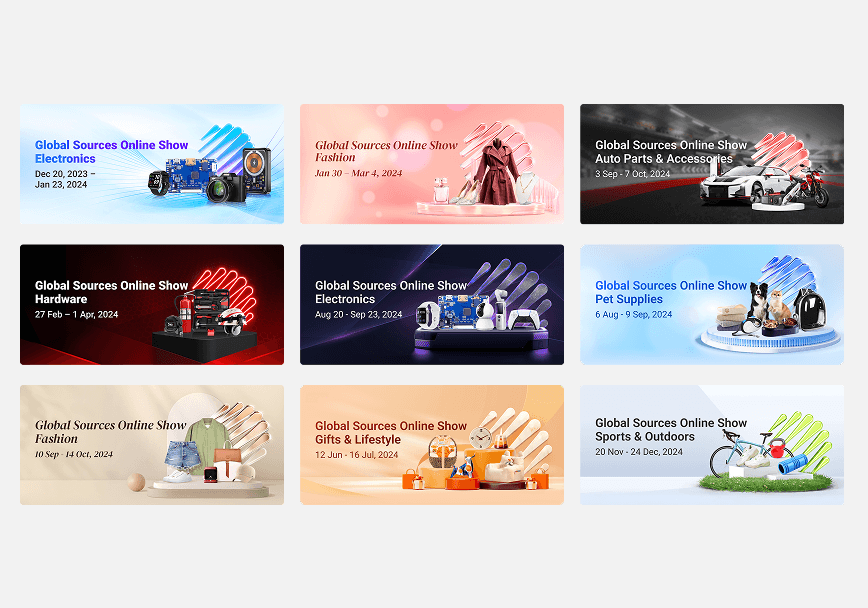
Human interaction plays a crucial part in establishing trust, even though digital tools dominate the modern day sourcing. The Online-to-Offline (O2O) model is a great tool to use for this. Online research allows buyers to identify suppliers, narrow their options, and build relationships offline by attending trade shows and other match-up business events.
It is common to speed up decision-making by seeing the product in person, discussing changes with suppliers in person and building rapport. These offline experience can be enhanced through digital platforms, mobile applications, and centralized communication. Sourcing becomes more efficient and less fragmented.
Supporting Buyers Throughout the Entire Sourcing Journey
A reliable B2B supplier platform does not disappear when a buyer locates an appropriate supplier. It keeps adding value with specific recommendations along with exclusive buyer programs and initiatives that are driven by community. These features enable buyers to discover new categories, look for new products and get access to opportunities that they would otherwise overlook.
Incentives and buyer communities provide a sense of continuity. They encourage regular participation as well as knowledge sharing and longer-term cooperation instead of single-off deals. This model of ecosystems enhances results of sourcing, and also builds trust over time.
Making Global Markets More Flexible to Change
Global trade is continuously affected by economic changes, regulatory changes, and shifting expectations of consumers. By expanding digital capabilities, and enhancing the matching algorithm, a customer-centric B2B marketplace for websites can evolve with these changes.
Sustainability is another growing priority. Suppliers who adhere to ethical and responsible corporate practices are being sought-after by buyers. Modern sourcing platforms can help businesses meet their legal and social obligations without compromising on efficiency. This is done by showing sustainable solutions, promoting transparency and promoting sustainable practices.
Connections that are trusted can add long-term value
A successful B2B platform is built on trust. Trust in supplier authenticity as well as trust in the accuracy of information, and trust in the platform’s commitment to long-term value. When these three elements are joined and sourced information can be seen as a strategic asset rather than a risky and time-consuming process.
A reliable B2B marketplace provides businesses with more than access to markets. They also can do so with the confidence to make decisions. Trust to make informed choices, form lasting partnerships and thrive in an increasingly interconnected global economy.